
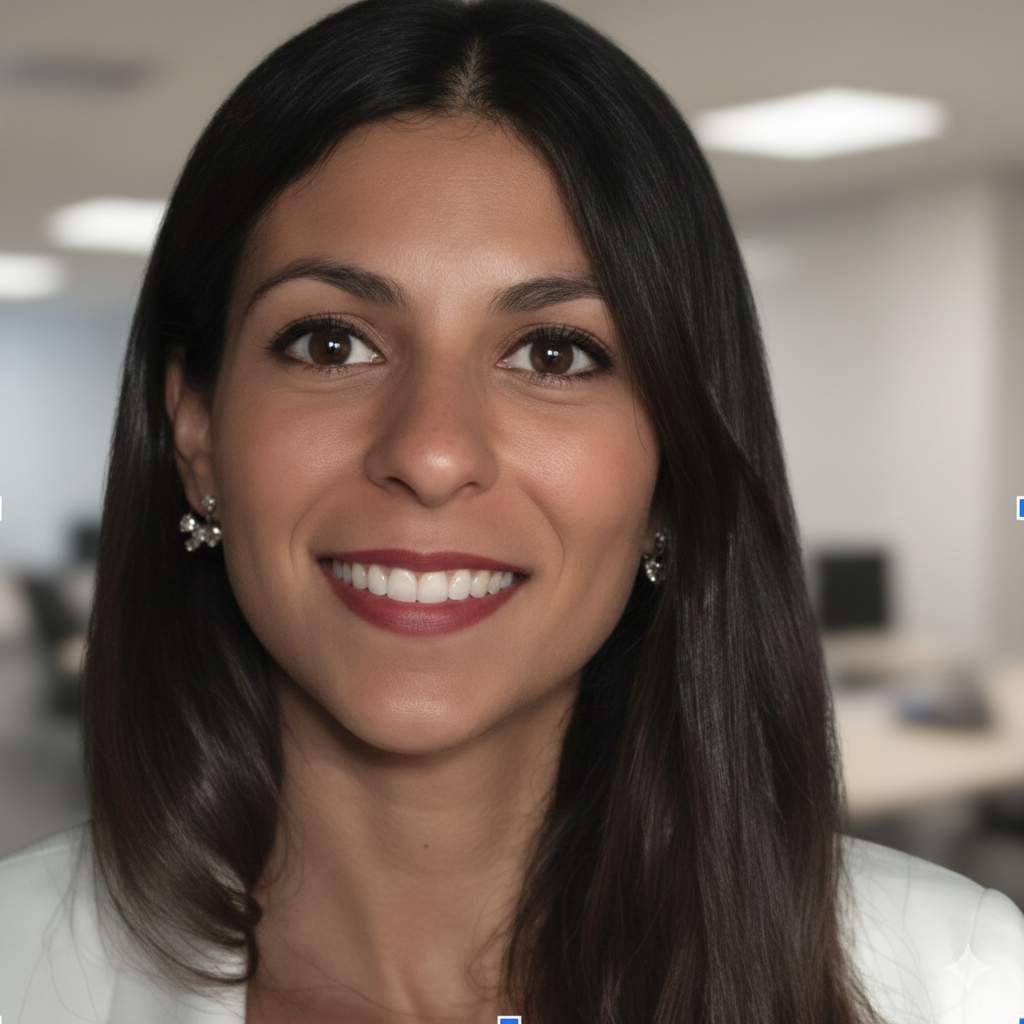
What is an Experience Designer (Travel) degree?
An Experience Designer (Travel) focuses on creating engaging and memorable travel experiences for consumers. This role involves understanding customer needs, designing travel itineraries, and enhancing the overall journey through innovative solutions. As the travel industry evolves, the importance of personalized experiences has surged, making this profession highly relevant today. TestVocacional.app offers assessments that can help you determine if this dynamic field aligns with your interests and strengths.
Career paths and job opportunities
- Travel Experience Consultant: Works with clients to design personalized travel itineraries that meet their preferences and needs.
- Destination Experience Manager: Oversees the development of experiences in specific locations, ensuring they are attractive and engaging for tourists.
- Travel Product Designer: Creates innovative travel products and services that enhance the customer journey and improve satisfaction.
- Event Experience Designer: Plans and executes travel-related events, ensuring an immersive experience for participants.
- Tourism Marketing Specialist: Develops marketing strategies to promote travel experiences and destinations effectively.
- User Experience Researcher: Conducts research to understand traveler behaviors and preferences, informing design decisions for travel experiences.
Degree duration and format
A degree in Experience Design (Travel) typically takes three to four years to complete, depending on the institution and program structure. Many universities offer flexible options, including online courses and short-cycle programs, allowing students to tailor their education to fit their lifestyle and career goals.
What is the ideal profile for this career?
The ideal candidate for an Experience Designer (Travel) possesses creativity, strong communication skills, and a passion for travel. They should be detail-oriented and have the ability to empathize with customers to create tailored experiences. The compatible Holland RIASEC profile includes Artistic and Social traits, which TestVocacional.app can help confirm through its assessments.
Key skills and competencies
- Creative Thinking: Ability to generate innovative ideas for unique travel experiences.
- Project Management: Skills in organizing and managing multiple aspects of travel projects and itineraries.
- Communication: Strong verbal and written communication skills to effectively interact with clients and stakeholders.
- Customer Service: A focus on providing exceptional service and addressing client needs and concerns.
- Market Research: Proficiency in analyzing travel trends and consumer behavior to inform design decisions.
Where to study Experience Design (Travel)?
Some of the most recognized institutions offering this program include:
- University of Southern California - USA
- University of Central Florida - USA
- Glasgow Caledonian University - Scotland
- University of Sydney - Australia
Many universities offer specialized tracks within the Experience Design field, including online courses for greater accessibility.
Job market and 2026 outlook
The demand for Experience Designers in the travel sector is expected to grow significantly by 2026, driven by an increasing consumer preference for personalized travel experiences. The industry is projected to expand by 10% over the next few years. Regions with the highest demand include North America and Europe, where tourism continues to thrive despite economic fluctuations. The integration of AI technologies is also reshaping how experiences are designed, making adaptability a crucial skill for future professionals.
Is this career right for you?
The best way to know is to discover your vocational profile. TestVocacional.app combines 5 scientific methods (CHASIDE, Holland, Big Five, MMMG, and VAK) to give you a personalized orientation. 21 questions - 3 minutes - No registration required.
Take the free vocational test
Want to know if this is the right career for you?
Take the free vocational test with 5 scientific methods — CHASIDE, Holland, Big Five, MMMG and VAK — to get your personalized profile. You can also explore all university careers or learn about the scientific methodology.

