
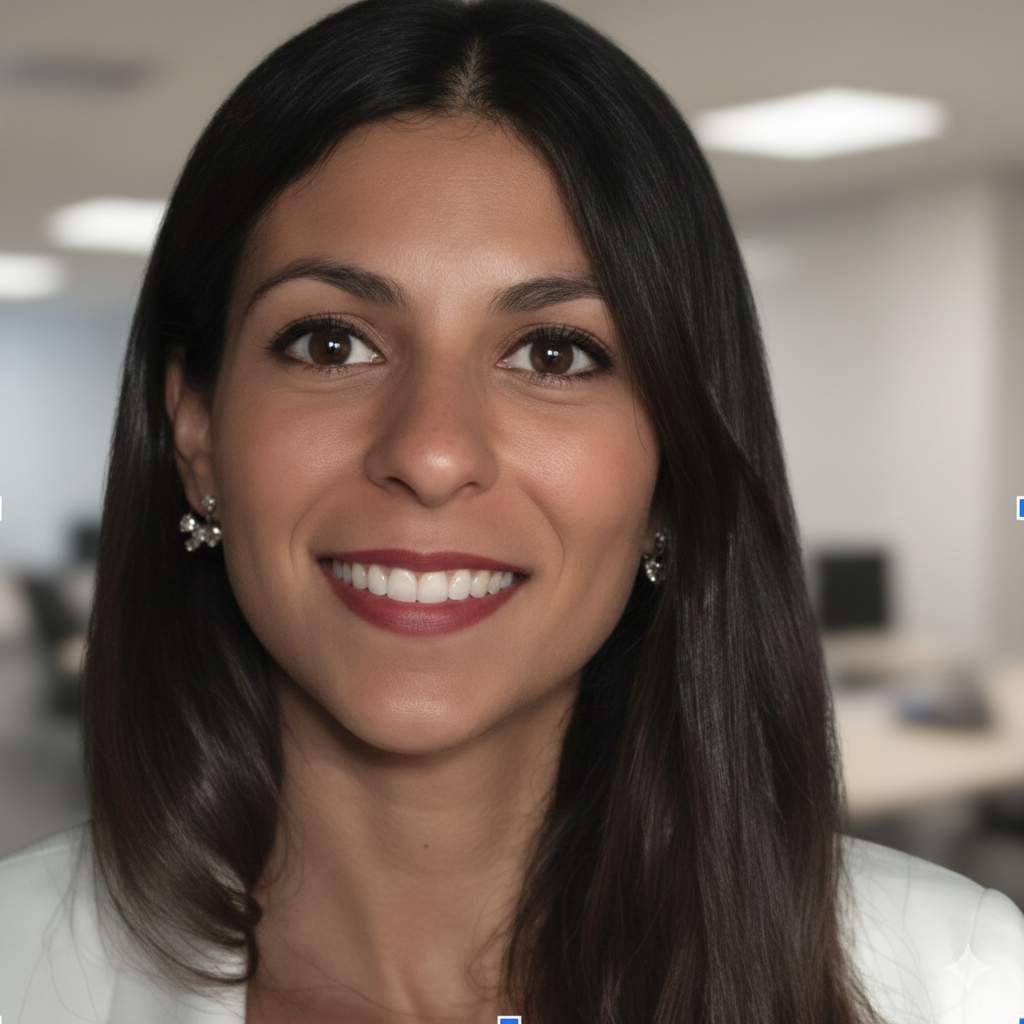
What is an Orthodontist degree?
An Orthodontist is a dental specialist focused on diagnosing, preventing, and treating dental and facial irregularities. This profession is essential in enhancing smiles and improving oral health through the use of braces, aligners, and other corrective devices. Orthodontists work in various settings, including private practices and dental clinics, and they play a crucial role in boosting patients' self-esteem and overall well-being. TestVocacional.app offers assessments that help individuals determine if a career in orthodontics aligns with their skills and interests.
Career paths and job opportunities
- Private Practice Orthodontist: Operates their own clinic, providing personalized orthodontic care to patients of all ages.
- Orthodontic Consultant: Works with dental practices to provide expertise on orthodontic treatments and patient care strategies.
- Academic Orthodontist: Engages in teaching at dental schools, sharing knowledge and training future orthodontists.
- Research Orthodontist: Conducts studies to advance orthodontic techniques and technologies, contributing to the field's body of knowledge.
- Pediatric Orthodontist: Specializes in treating children, focusing on early intervention and growth-related dental issues.
- Orthodontic Sales Representative: Works for dental product companies, promoting orthodontic devices and materials to dental professionals.
Degree duration and format
Becoming an orthodontist typically requires a commitment of 10 to 11 years of education. This includes completing a bachelor's degree (4 years), followed by a dental degree (4 years), and an orthodontic residency program (2-3 years). Some programs may offer online coursework or short-cycle options for certain components, making it more accessible for aspiring orthodontists to balance their studies with other commitments.
What is the ideal profile for this career?
The ideal orthodontist possesses strong analytical skills, attention to detail, and excellent communication abilities. They should be compassionate and patient, as they often work with children and anxious patients. The compatible Holland RIASEC profile for this career includes Investigative and Social traits. TestVocacional.app can help confirm if these characteristics align with your personal strengths and preferences.
Key skills and competencies
- Clinical Skills: Proficiency in performing orthodontic procedures and using various dental technologies.
- Interpersonal Skills: Ability to communicate effectively with patients and their families to explain treatment options.
- Problem-Solving: Strong analytical skills to diagnose issues and create effective treatment plans.
- Attention to Detail: Precision in executing treatments and ensuring the highest standards of care.
- Time Management: Ability to manage multiple patients and treatment schedules efficiently.
Where to study Orthodontics?
Some of the most recognized institutions offering this program include:
- Harvard University - USA
- University of California, Los Angeles (UCLA) - USA
- University of Toronto - Canada
- King's College London - UK
Many universities offer specialized tracks in orthodontics, and several programs provide online courses or hybrid formats to accommodate diverse learning needs.
Job market and 2026 outlook
The demand for orthodontists is projected to grow significantly, with an expected increase of 7% by 2026. Factors contributing to this growth include rising awareness of oral health and aesthetic improvements. Additionally, advancements in technology, such as 3D printing and AI in treatment planning, are transforming the field. Regions with the highest demand include urban areas with growing populations, where access to orthodontic care is increasingly prioritized.
Is this career right for you?
The best way to know is to discover your vocational profile. TestVocacional.app combines 5 scientific methods (CHASIDE, Holland, Big Five, MMMG, and VAK) to give you a personalized orientation. 21 questions - 3 minutes - No registration required.
Take the free vocational test
Want to know if this is the right career for you?
Take the free vocational test with 5 scientific methods — CHASIDE, Holland, Big Five, MMMG and VAK — to get your personalized profile. You can also explore all university careers or learn about the scientific methodology.

