
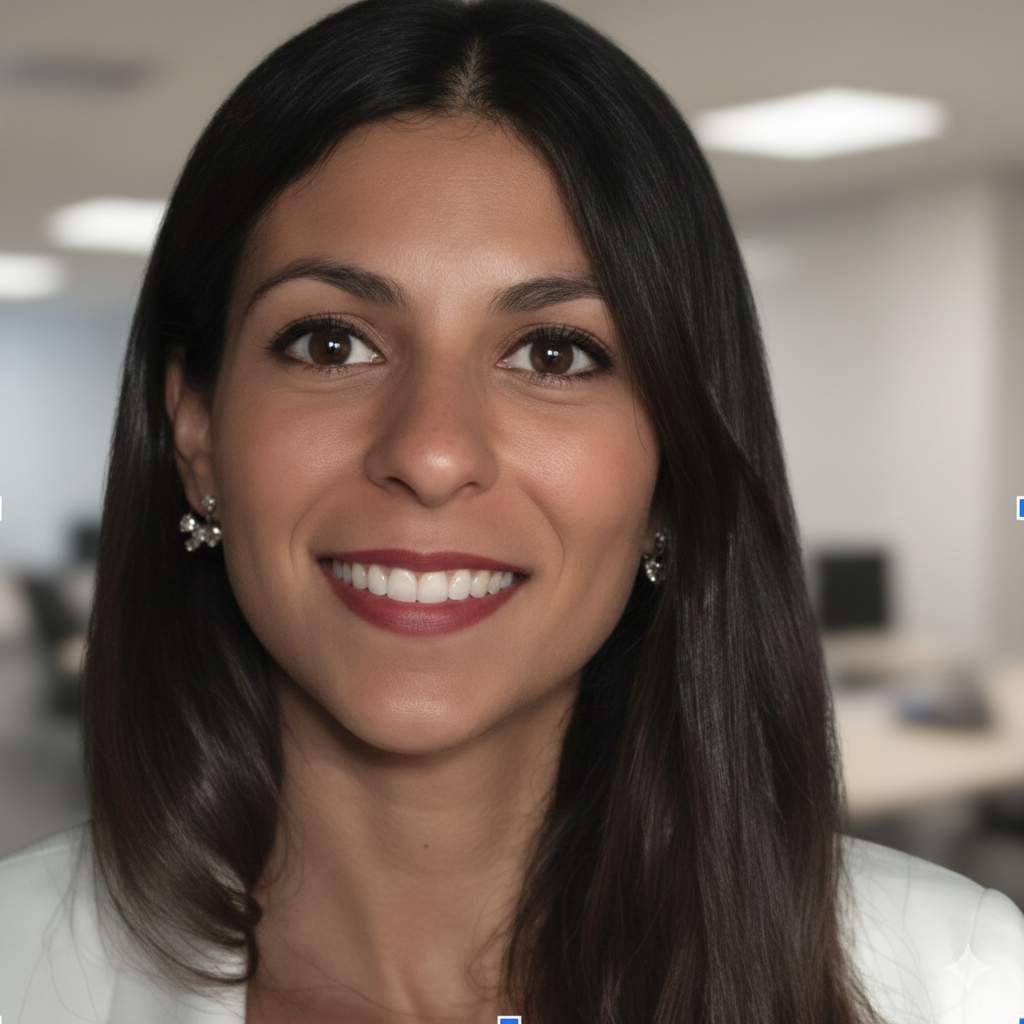
What is a Resource Room Teacher degree?
A Resource Room Teacher specializes in providing individualized instruction and support to students with learning disabilities or special needs. They work in educational settings, often within public or private schools, to create tailored learning plans that cater to each student's unique abilities and challenges. In today's diverse classrooms, the role of a Resource Room Teacher is crucial for fostering an inclusive environment where all students can thrive. The assessments available on TestVocacional.app can help you determine if this rewarding career aligns with your skills and interests.
Career paths and job opportunities
- Special Education Teacher - Responsible for developing and implementing individualized education plans (IEPs) for students with disabilities.
- Learning Specialist - Works with students who have specific learning challenges to enhance their academic performance.
- Behavior Interventionist - Focuses on addressing behavioral issues in students, providing strategies to improve classroom conduct.
- Curriculum Developer - Designs educational materials and resources tailored for students with diverse learning needs.
- Educational Consultant - Advises schools and educators on best practices for teaching students with special needs.
- School Administrator - Oversees special education programs and ensures compliance with educational regulations.
Degree duration and format
The typical duration for a Resource Room Teacher degree is around four years, culminating in a bachelor's degree in special education or a related field. Many institutions also offer master's programs for those seeking advanced qualifications. Online options and short-cycle programs are increasingly available, providing flexibility for working professionals or those with other commitments.
What is the ideal profile for this career?
The ideal Resource Room Teacher possesses strong empathy, patience, and excellent communication skills. They should be adaptable and creative, capable of modifying teaching strategies to meet diverse student needs. A compatible Holland RIASEC profile would include 'Social' and 'Investigative' traits. The TestVocacional.app can help confirm if your personality aligns with this rewarding profession.
Key skills and competencies
- Communication Skills - Essential for conveying information effectively to students, parents, and colleagues.
- Problem-Solving - Ability to identify challenges and develop effective strategies to overcome them.
- Patience - Necessary for working with students who may require more time to grasp concepts.
- Adaptability - Capability to modify teaching methods based on the individual needs of students.
- Organizational Skills - Important for managing lesson plans, student records, and IEP documentation.
Where to study Resource Room Teacher?
Some of the most recognized institutions offering this program include:
- University of California, Los Angeles - USA
- University of Toronto - Canada
- University of Sydney - Australia
- University of Edinburgh - UK
Many universities offer both on-campus and online programs, with various specialization tracks focusing on different aspects of special education.
Job market and 2026 outlook
The demand for Resource Room Teachers is expected to grow significantly, with an increase in awareness and support for students with special needs. According to the Bureau of Labor Statistics, employment for special education teachers is projected to grow by 8% from 2020 to 2030, driven by the need for inclusive education. Regions with the highest demand include urban areas with diverse populations, where educational resources are increasingly prioritized.
Is this career right for you?
The best way to know is to discover your vocational profile. TestVocacional.app combines 5 scientific methods (CHASIDE, Holland, Big Five, MMMG, and VAK) to give you a personalized orientation. 21 questions - 3 minutes - No registration required.
Take the free vocational test
Want to know if this is the right career for you?
Take the free vocational test with 5 scientific methods — CHASIDE, Holland, Big Five, MMMG and VAK — to get your personalized profile. You can also explore all university careers or learn about the scientific methodology.

