
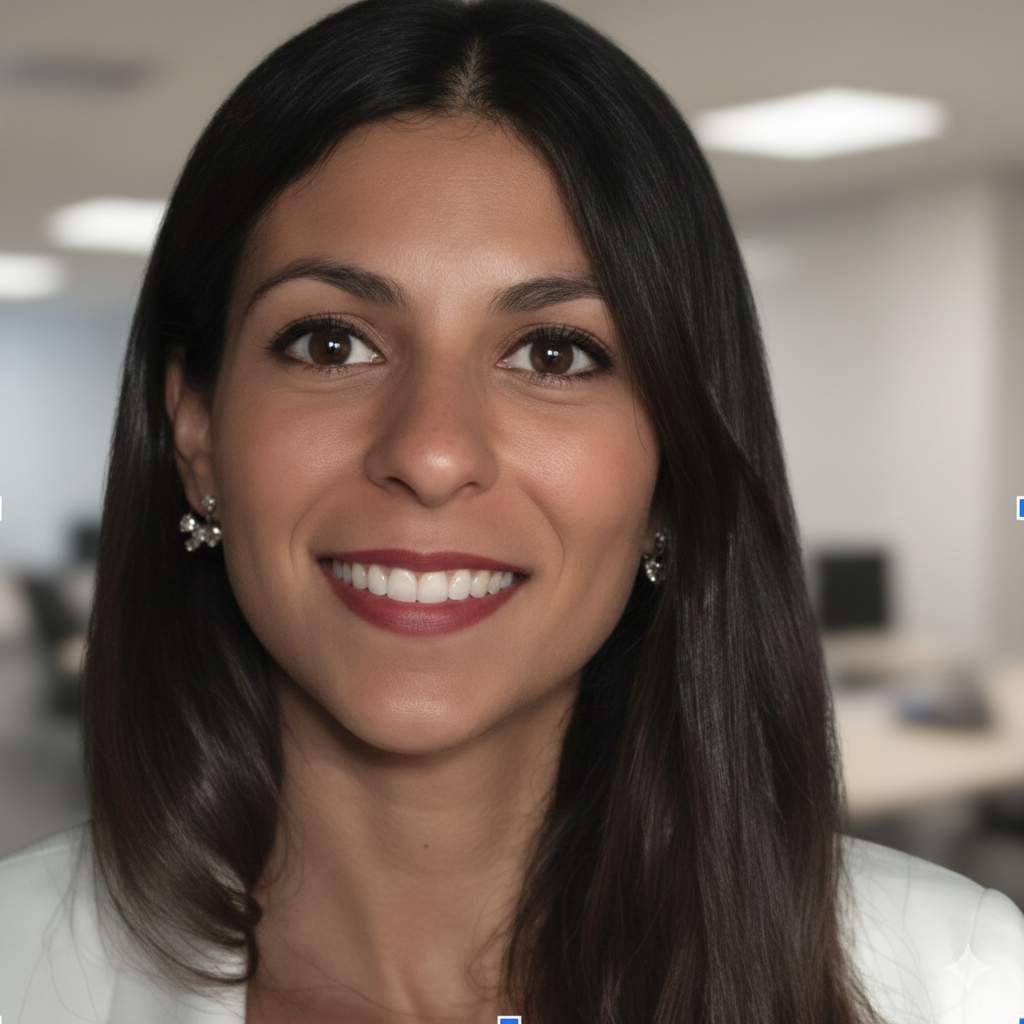
What is a Telecom and Media Lawyer degree?
A Telecom and Media Lawyer specializes in the legal aspects of telecommunications, broadcasting, and digital media. This professional navigates complex regulations, ensuring compliance with laws governing communication technologies and media content. As the digital landscape evolves, their role is increasingly vital in protecting intellectual property and negotiating contracts. With the rapid growth of technology, understanding these legal frameworks is essential for businesses. TestVocacional.app offers assessments that help determine if this career aligns with your skills and interests.
Career paths and job opportunities
- Regulatory Compliance Officer: Ensures that telecommunications companies adhere to government regulations and industry standards.
- Intellectual Property Lawyer: Specializes in protecting the rights of creators and innovators in the media and telecommunications sectors.
- Contract Negotiator: Works on drafting and negotiating contracts related to media rights, distribution, and telecommunications services.
- Corporate Counsel: Provides legal advice to companies in the telecom and media industries on various legal matters.
- Litigation Attorney: Represents clients in disputes related to telecom regulations, media rights, and content distribution.
- Policy Advisor: Works with government agencies or organizations to shape policies affecting the telecommunications and media landscape.
Degree duration and format
A degree in Telecom and Media Law typically takes three years to complete, leading to a Juris Doctor (JD) degree. Some universities offer specialized programs or online courses that can be completed in a shorter time frame, especially for those pursuing a Master’s degree in this field. Online options are becoming increasingly popular, allowing flexibility for working professionals.
What is the ideal profile for this career?
The ideal Telecom and Media Lawyer possesses strong analytical skills, attention to detail, and excellent communication abilities. A keen interest in technology and media trends is essential, along with a solid understanding of legal principles. The compatible Holland RIASEC profile includes Investigative and Conventional types. TestVocacional.app can help confirm if you have the right profile for this dynamic career.
Key skills and competencies
- Legal Research: Ability to conduct thorough research on laws and regulations affecting telecommunications and media.
- Negotiation: Skilled in negotiating contracts and agreements between parties in the telecom and media sectors.
- Analytical Thinking: Capable of analyzing complex legal issues and developing effective strategies for resolution.
- Communication: Excellent verbal and written communication skills to articulate legal concepts clearly to clients and stakeholders.
- Regulatory Knowledge: In-depth understanding of telecommunications regulations and media laws at both national and international levels.
Where to study Telecom and Media Law?
Some of the most recognized institutions offering this program include:
- Harvard Law School - USA
- University of California, Berkeley - USA
- London School of Economics - UK
- University of Melbourne - Australia
Many universities also offer online courses and specialized tracks in Telecom and Media Law, providing flexibility for students worldwide.
Job market and 2026 outlook
The demand for Telecom and Media Lawyers is expected to grow significantly as technology continues to advance and regulations become more complex. The rise of digital media and telecommunications services has created new legal challenges, leading to an increased need for specialized legal expertise. Regions with the highest demand include urban centers with a strong media presence and technology hubs. According to industry reports, the sector is projected to grow by 10% through 2026, driven by the expansion of digital platforms and telecommunications services.
Is this career right for you?
The best way to know is to discover your vocational profile. TestVocacional.app combines 5 scientific methods (CHASIDE, Holland, Big Five, MMMG, and VAK) to give you a personalized orientation. 21 questions - 3 minutes - No registration required.
Take the free vocational test
Want to know if this is the right career for you?
Take the free vocational test with 5 scientific methods — CHASIDE, Holland, Big Five, MMMG and VAK — to get your personalized profile. You can also explore all university careers or learn about the scientific methodology.

