
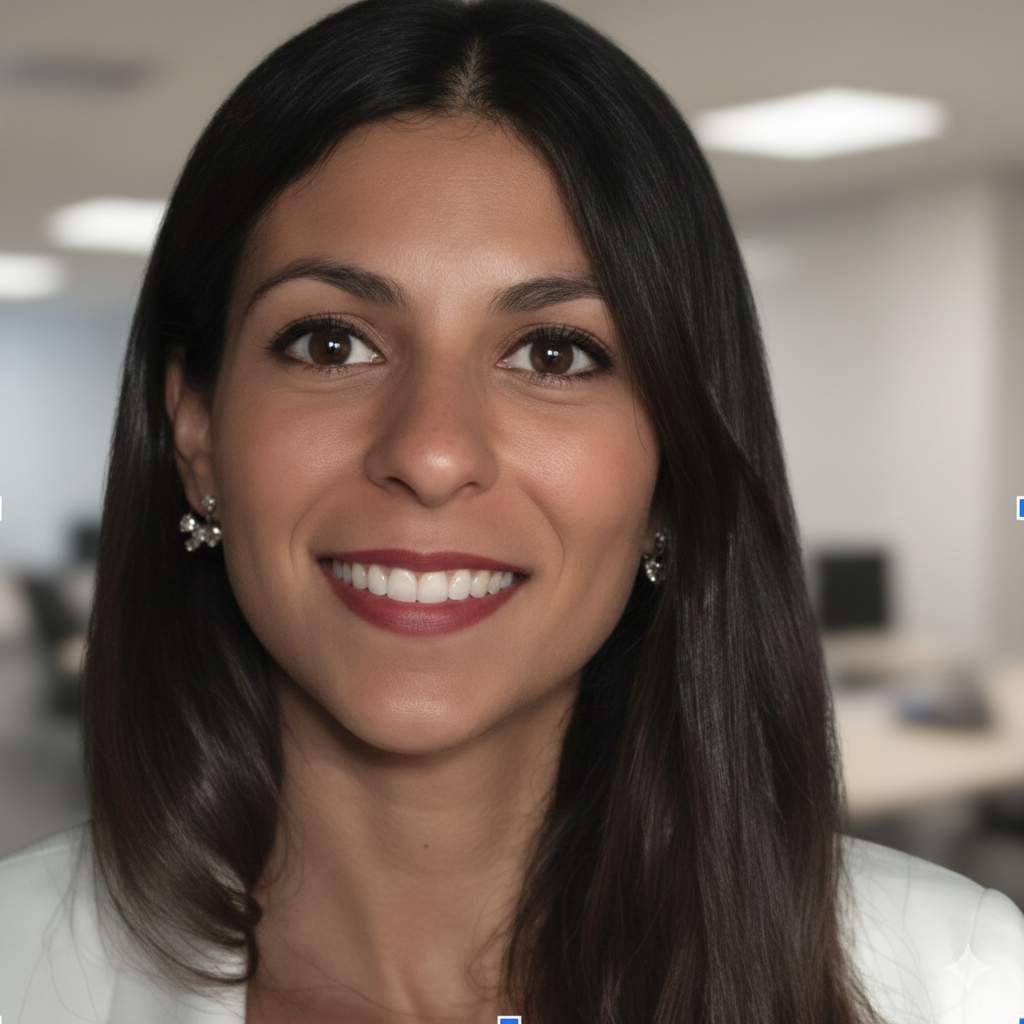
What is a Prosthodontist degree?
A Prosthodontist is a dental specialist focused on restoring and replacing teeth to enhance oral function and aesthetics. This profession is vital in today's society as it addresses issues related to tooth loss due to decay, injury, or congenital conditions. Prosthodontists work in various settings, including private practices, hospitals, and dental schools. They utilize advanced techniques and materials to create dental prostheses such as crowns, bridges, and dentures. TestVocacional.app's assessments can help determine if a career in prosthodontics aligns with your skills and interests.
Career paths and job opportunities
- Private Practice Prosthodontist: Provides specialized dental care, focusing on the design and fitting of dental prosthetics for individual patients.
- Academic Prosthodontist: Engages in teaching and research at dental schools, contributing to the education of future dentists and advancing the field.
- Hospital-Based Prosthodontist: Works in a hospital setting, often collaborating with other specialists to provide comprehensive care for patients with complex dental needs.
- Consultant for Dental Laboratories: Advises dental labs on the best practices for creating high-quality prosthetic devices, ensuring they meet clinical standards.
- Oral and Maxillofacial Surgeon: While primarily a surgical role, some surgeons specialize in prosthodontics to restore function after surgical procedures.
- Research Scientist in Dentistry: Investigates new materials and techniques in prosthodontics, contributing to the advancement of dental science.
Degree duration and format
Typically, becoming a Prosthodontist requires a commitment of 8 years of education: 4 years for a dental degree followed by an additional 4 years of specialized training in prosthodontics. Many programs offer flexible formats, including online courses and part-time options, to accommodate working professionals and those seeking a career change.
What is the ideal profile for this career?
The ideal Prosthodontist should possess strong attention to detail, excellent manual dexterity, and a deep understanding of dental materials and techniques. Key personality traits include empathy, patience, and strong communication skills, as they must effectively interact with patients. The compatible Holland RIASEC profile for this career is "Investigative" and "Artistic." TestVocacional.app can confirm if your traits align with this rewarding profession.
Key skills and competencies
- Technical Proficiency: Mastery of dental techniques and materials to create functional and aesthetic prosthetics.
- Diagnostic Skills: Ability to assess patients' dental conditions and determine appropriate treatment plans.
- Interpersonal Communication: Skill in explaining procedures and addressing patient concerns effectively.
- Problem-Solving: Capability to devise solutions for complex dental issues and ensure patient satisfaction.
- Time Management: Efficiently balancing multiple patient cases and adhering to treatment timelines.
Where to study Prosthodontics?
Some of the most recognized institutions offering this program include:
- Harvard University - USA
- University of California, Los Angeles - USA
- University of Toronto - Canada
- King's College London - UK
Many universities offer specialization tracks in prosthodontics, with options for online courses to enhance accessibility for students worldwide.
Job market and 2026 outlook
The demand for Prosthodontists is expected to grow significantly due to an aging population and increasing awareness of dental health. According to the Bureau of Labor Statistics, the job outlook for dental specialists, including prosthodontists, is projected to grow by 7% from 2021 to 2026. Regions with the highest demand include urban areas and regions with aging demographics. The integration of AI in dental practices is also anticipated to enhance treatment options and efficiency in the field.
Is this career right for you?
The best way to know is to discover your vocational profile. TestVocacional.app combines 5 scientific methods (CHASIDE, Holland, Big Five, MMMG, and VAK) to give you a personalized orientation. 21 questions - 3 minutes - No registration required.
Take the free vocational test
Want to know if this is the right career for you?
Take the free vocational test with 5 scientific methods — CHASIDE, Holland, Big Five, MMMG and VAK — to get your personalized profile. You can also explore all university careers or learn about the scientific methodology.

